MDF vs HDF Panels: Which Material Is Best for Interior Design?
Introduction
When choosing materials for interior panels, furniture, or decorative wall designs, MDF and HDF are two of the most commonly used engineered wood products.
Both materials are widely used in modern interior design, but understanding their differences can help you select the right option for your project.
What Is MDF?
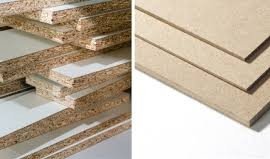
MDF stands for Medium Density Fiberboard. It is made by compressing wood fibers with resin and wax under high pressure.
Advantages of MDF
-
Smooth surface for painting or laminates
-
Affordable material
-
Easy to cut and shape
-
Ideal for CNC panel designs
Common Uses
-
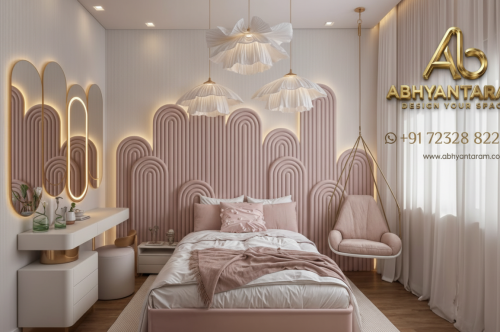
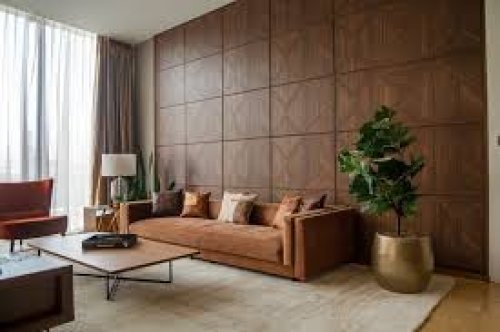
Decorative wall panels
-
Wardrobes
-
Partition panels
-
Interior furniture
What Is HDF / HMR?
HDF stands for High Density Fiberboard. It is denser and stronger than MDF, offering better durability.
HMR boards are moisture-resistant boards designed for humid environments.
Advantages of HDF / HMR
-
Higher strength and density
-
Better moisture resistance
-
Long-lasting durability
-
Ideal for kitchens and bathrooms
MDF vs HDF Comparison
| Feature | MDF | HDF |
|---|---|---|
| Density | Medium | High |
| Strength | Moderate | High |
| Moisture Resistance | Low | Better |
| Cost | Affordable | Slightly higher |
| Applications | Interior décor | Kitchens & wardrobes |
Which One Should You Choose?
Choose MDF if:
-
You want decorative wall panels
-
Budget is limited
-
You need CNC cut designs
Choose HDF / HMR if:
-
You want stronger panels
-
Moisture resistance is required
-
Panels will be used in kitchens or wardrobes
Conclusion
Both MDF and HDF panels are excellent choices for interior applications. The right option depends on your design requirements, durability needs, and budget.